

Emirati Seafood Dishes You Need to Try
The story of Emirati seafood dishes begins long before modern restaurants and contemporary dining experiences appeared across the UAE. For generations, the Arabian Gulf provided coastal communities with fish and seafood that became an essential part of everyday meals, family gatherings and regional food traditions. Rice, spices, fresh fish, onions, lemon and simple cooking techniques came together to create dishes that were full of flavour without hiding the natural character of the seafood.
Today, discovering Emirati seafood is one of the most enjoyable ways to experience the food culture of the UAE. Some dishes are built around fragrant rice and Gulf spices, while others allow fresh fish to remain almost completely at the centre of the plate. For visitors who know Dubai and Sharjah mainly through modern attractions, sitting down for a traditional seafood meal can reveal a very different side of the country.

Why Seafood Has Such a Strong Place in Emirati Cuisine
The relationship between the UAE and the sea has shaped local life for generations. Coastal communities depended on fishing, pearl diving and maritime trade, meaning the Arabian Gulf was not simply part of the landscape but an important source of food and livelihood. Fish became a familiar ingredient in home kitchens because it was available locally and could be prepared in several practical ways.
That history can still be tasted in many Emirati seafood dishes today. Grilled fish, rice-based seafood meals and recipes using regional spices reflect cooking traditions that developed around ingredients available to coastal communities. Even as dining in the UAE became increasingly international, these combinations remained an important part of the local culinary identity.

Machboos Samak: One of the Essential Emirati Seafood Dishes
Machboos Samak is one of the first dishes worth discovering if you want to understand Gulf seafood cuisine. It combines fish with aromatic rice and spices, creating a meal where the seafood and rice support each other rather than feeling like separate components. The spices give the rice depth and warmth, while the fish adds the flavour of the sea that defines the dish.
What makes Machboos particularly interesting is its ability to feel both comforting and distinctive. Rice-based meals are familiar to people from many cultures, but the particular combination of Gulf spices and seafood gives Machboos its own identity. For international visitors trying Emirati food for the first time, it can therefore offer an accessible introduction without feeling too unfamiliar.
At Arabian Fish House, seafood dishes inspired by Gulf cooking allow guests to explore this relationship between fresh fish, rice and Arabic flavours. Instead of treating fish as an isolated main course, the meal becomes part of a broader regional food tradition.
Why Rice Matters So Much in Gulf Seafood Cooking
Rice is not simply a side dish in many Emirati and Gulf meals. The way it is prepared can influence the entire character of the plate, especially when spices, onions and seafood flavours are allowed to develop together. Fragrant rice can absorb juices from the fish and carry spices throughout every bite, making even a simple seafood meal feel layered and satisfying.
Different rice preparations can also create very different experiences. Machboos rice tends to focus on aromatic spices, while Sayadiyah introduces another flavour profile through caramelised onions and seafood. Understanding these differences makes exploring Emirati seafood dishes much more interesting because diners begin to notice that the fish is only one part of the story.
Samak Sayadiyah: Fish and Rice with Deeper Flavours
Samak Sayadiyah is another seafood dish that demonstrates how strongly fish and rice can work together. Sayadiyah rice is traditionally associated with onions and spices, producing a darker and deeper flavour than simpler rice preparations. When served with fish, the result is a meal that feels rich without requiring an overly complicated list of ingredients.
For seafood lovers, Sayadiyah can be particularly appealing because the rice has enough personality to stand beside the fish. Rather than simply providing a neutral base, it becomes an important part of the dish. The combination works especially well for diners who prefer seafood meals with stronger savoury flavours and a comforting, home-style character.
Trying both Machboos Samak and Samak Sayadiyah can also help visitors understand how the same basic ingredients—fish, rice and spices—can create completely different experiences. That variety is one reason Emirati and Gulf seafood traditions deserve to be explored beyond a single dish.
Hamour: A Fish Closely Connected with Gulf Dining
Hamour is one of the names seafood lovers frequently encounter across the Gulf. Its firm texture makes it suitable for several cooking techniques, including grilling and oven baking, while its flavour works well with both simple seasoning and stronger Arabic spices. This flexibility has helped make Hamour a familiar presence on seafood tables throughout the region.
For visitors, trying Hamour can be an easy way to experience a fish strongly associated with Gulf dining. It can be served simply with lemon and sauce or combined with rice and other regional accompaniments. The preparation you choose can completely change the experience, making the same fish suitable for a light lunch or a larger shared dinner.
Arabian Fish House includes Hamour among its seafood selections, allowing guests to experience it in different preparations. Visitors who want to understand more about the restaurant’s approach to seafood can explore Arabian Fish House before planning their meal.
Grilled Fish: When Simplicity Is the Point
Not every traditional seafood experience requires an elaborate recipe. Grilling remains one of the best ways to enjoy fresh fish because the cooking method allows its natural flavour and texture to remain obvious. A little seasoning, lemon and the smoky character of the grill can be enough when the quality of the fish is good.
This simplicity reflects an important principle in seafood cooking: fresh ingredients do not always need to be heavily transformed. For people who usually associate Arabic food with rich sauces or strong spice combinations, grilled fish provides another perspective. The focus shifts from seasoning to the quality and texture of the fish itself.
Grilled seafood also works well for groups because several types of fish can be ordered and shared around the table. Each person can compare textures and flavours while trying the fish with different sauces, rice dishes and appetisers.
Sea Bass and Sea Bream for Lighter Flavours
Sea Bass and Sea Bream offer excellent options for diners who prefer a lighter seafood flavour. Their texture makes them suitable for grilling and oven baking, while lemon, herbs and simple seasoning can complement them without overpowering the fish. These qualities make both varieties approachable for people who may not eat seafood regularly.
They also provide an interesting contrast with firmer regional favourites such as Hamour. Ordering more than one fish for the table allows guests to compare textures and discover which preparation they prefer. For families or groups, this can turn the meal into a tasting experience instead of everyone ordering separate dishes without trying anything new.
Learning to appreciate these differences is part of what makes exploring seafood enjoyable. Fish is not a single flavour category; every variety has its own texture, richness and ideal cooking style.
Grilled Shrimp and the Social Side of Seafood
Shrimp adds another dimension to a traditional seafood table because it can be enjoyed as a main dish or shared alongside fish and other plates. Grilling introduces a slightly smoky flavour while allowing the natural sweetness of the shrimp to remain noticeable. Lemon, garlic and chilli can then add brightness without overwhelming the seafood.
Shared shrimp dishes work especially well when the table includes several people. Instead of one large meal arriving for each guest, everyone can take a little from different plates and create their own combinations. This style of eating naturally encourages conversation and reflects the social character associated with Arabic hospitality.
Seafood dining becomes particularly enjoyable when the table develops gradually. Appetisers arrive first, followed by fish, shrimp, rice and sauces, allowing guests to spend more time together rather than treating dinner as something to finish quickly.
The Importance of Lemon, Garlic and Tahini
Sauces and accompaniments may appear secondary, but they can completely change the way seafood tastes. Lemon and garlic are especially effective because their sharp, fresh flavours can balance the natural richness of fish. They complement seafood without covering its flavour, making them useful with both grilled and oven-baked preparations.
Tahini creates a different experience. Its creamy sesame flavour pairs particularly well with fried fish and some stronger seafood preparations, adding richness while still allowing the fish to remain identifiable. These simple accompaniments demonstrate how Gulf and Arabic seafood meals often rely on balance rather than unnecessarily complicated sauces.
Trying the same fish with two different sauces can even make it feel like two different dishes. This is particularly useful when several people are sharing a whole fish and want to explore different flavour combinations.
Arabic Appetisers Belong on the Seafood Table
Seafood may be the main attraction, but the experience often begins with smaller Arabic dishes. Hummus, mutabal, muhammara and fresh bread introduce different textures and flavours before the fish arrives. These appetisers also help create the generous, shared table that characterises many meals across the region.
For groups, starting with several small dishes gives everyone something to enjoy while the main seafood is being prepared. The table gradually becomes fuller, and guests move between creamy dips, bread, vegetables and seafood rather than following a strict starter-main-dessert format.
You can explore more ideas around seafood starters through the Arabian Fish House seafood appetisers guide. Combining smaller Arabic dishes with fresh fish creates a meal that feels much more connected to the region than ordering seafood alone.
Fresh Fish Can Be Cooked in More Than One Way
One of the strengths of seafood is how dramatically the cooking technique can influence the result. Grilling gives fish smoky notes and a slightly firmer surface, while frying creates a crisp texture that contrasts with the softer flesh inside. Oven baking can produce a gentler result, especially when vegetables and potatoes are cooked alongside the fish.
Salt baking offers another approach, using the cooking environment to help retain moisture while keeping the fish relatively simple. Each method suits different preferences, which is why choosing the fish is only the first part of building a seafood meal.
At Arabian Fish House, diners can explore different preparation styles instead of being restricted to one standard recipe. This makes the restaurant particularly useful for groups where everyone enjoys seafood differently.
Fish and Gulf Spices: Finding the Right Balance
Gulf cuisine uses spices to create warmth and depth, but good seafood cooking requires restraint. Fish has a delicate flavour that can easily disappear beneath heavy seasoning, so the best dishes allow spices to enhance rather than dominate it. Cumin, coriander, cardamom and other aromatic flavours can contribute to the meal while keeping the seafood recognisable.
Rice dishes provide one of the easiest ways to achieve this balance. The spices can develop through the rice while the fish remains relatively simple, meaning each component contributes something different. This is one reason dishes such as Machboos Samak work so well: the seafood and seasoned rice remain distinct while still belonging together.
Understanding that balance helps explain why traditional seafood dishes often feel satisfying without needing complicated presentation. The flavours have been designed around the ingredients rather than around visual spectacle.
Emirati Seafood Is About More Than One Recipe
When people first discover Emirati seafood dishes, it can be tempting to look for one definitive recipe that represents the entire cuisine. In reality, the experience is much broader. Whole grilled fish, seafood rice dishes, shrimp, fried fish and different local fish varieties all form part of the wider coastal food tradition.
Cooking methods can also vary between families and restaurants, meaning the same fish may appear very differently from one table to another. This diversity is part of what keeps the cuisine interesting. Instead of searching for one “correct” seafood dish, visitors can explore several styles and gradually discover the flavours they enjoy most.
For anyone travelling through the UAE, trying more than one seafood meal can therefore provide a better understanding than choosing a single famous dish.
Seafood as Part of Emirati Hospitality
Food in the UAE is closely connected with hospitality, and seafood meals can reflect that tradition particularly well. Whole fish, rice and shared appetisers encourage people to sit together rather than eating separate individual portions. The table becomes a social space where dishes are passed around and everyone tastes from the same selection.
This style of dining works especially well for families and groups of friends. Different generations and different tastes can be accommodated on the same table because there is enough variety for everyone to choose what they enjoy. Someone may prefer grilled fish while another focuses on rice, shrimp or Arabic starters.
The experience is therefore about more than identifying individual dishes. The way the food is shared becomes part of understanding the culture surrounding it.
Emirati Seafood for First-Time Visitors
If you are trying Emirati seafood for the first time, there is no need to order everything at once. Begin with one whole fish, choose either Machboos or Sayadiyah rice and add a few Arabic appetisers. If you are dining with several people, grilled shrimp can introduce another seafood flavour without making the meal unnecessarily complicated.
Hamour can be a strong starting choice if you want to try a fish closely associated with Gulf dining, while Sea Bass or Sea Bream may suit diners who prefer something lighter. Asking about the available fish and recommended cooking method can also make the experience easier.
If you want help before visiting, you can contact Arabian Fish House and learn more about the restaurant’s seafood options and locations.
How Families Can Explore Emirati Seafood Together
Family meals are ideal for discovering traditional seafood because sharing makes unfamiliar dishes easier to try. Instead of asking every person to choose a full plate of something they have never tasted, order several dishes for the centre of the table and allow everyone to explore them gradually.
Children or less adventurous diners might begin with familiar grilled fish or rice, while other family members try Machboos, Sayadiyah or regional fish varieties. This reduces the pressure around trying new food and turns the meal into something everyone can participate in.
The shared approach also works well with Arabic appetisers and sauces, giving each person control over how adventurous they want to be. Over the course of the meal, even cautious diners often discover at least one new flavour they enjoy.
A Seafood Meal Can Tell the Story of the UAE
Travellers often learn about a destination through museums, architecture and historic sites, but food can tell the same story from another perspective. Seafood reflects the UAE’s relationship with the Arabian Gulf, while rice and spices reveal connections created through regional trade and cultural exchange.
A plate of fish and rice therefore represents more than ingredients. It reflects geography, history and the practical way coastal communities built meals around what was available to them. Modern restaurants may present these dishes differently, but the underlying connection between sea, rice, spice and hospitality remains.
For visitors who want to understand the country beyond its landmarks, trying local food is one of the easiest and most enjoyable ways to begin.
Discover Emirati Seafood by the Water
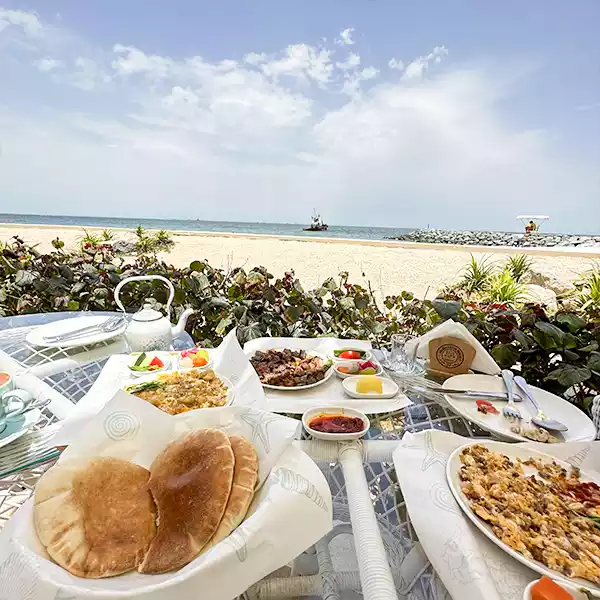
The environment can make traditional seafood feel even more connected to its origins. Eating fish near the coast creates an immediate relationship between what is on the table and the landscape around you. The experience does not need elaborate storytelling because the sea itself provides the context.
Arabian Fish House’s Sharjah location at Al Hira Beach offers this kind of setting, bringing fresh seafood and an Arabic dining experience together beside the waterfront. Visitors can make the meal part of a wider day at the beach rather than travelling specifically for lunch or dinner and leaving immediately afterwards.
For people staying in Dubai, Arabian Fish House also has an Al Shindagha location, allowing seafood to become part of a heritage-focused day in another part of the UAE.
Build Your Own Emirati Seafood Table
If you want the meal to feel complete, think about the table as a combination rather than a collection of unrelated orders. Begin with Arabic appetisers and bread, then choose a whole fish according to the group’s preferences. Add either Machboos or Sayadiyah rice to introduce Gulf flavours and include shrimp if you want more variety.
Sauces can then change the experience from one bite to the next. Lemon and garlic work naturally with grilled seafood, while tahini adds richness to fried fish. Vegetables or lighter sides can balance the meal and prevent the table from becoming overly heavy.
This approach gives everyone something different to discover while keeping the meal coherent. The fish remains the centre, and everything around it supports the seafood experience.
Why Emirati Seafood Dishes Are Worth Discovering
The strongest reason to explore Emirati seafood dishes is that they offer something closely connected to the UAE itself. You can eat international cuisines almost anywhere in Dubai or Sharjah, but Gulf-style fish, spiced rice and regional seafood preparations create a meal that belongs much more specifically to where you are.
They also demonstrate that Emirati food does not need to be overly complicated to be memorable. Fresh fish, carefully balanced spices, rice and shared accompaniments can create a dining experience built around quality and hospitality rather than unnecessary complexity.
Whether you live in the UAE or are visiting for the first time, seafood offers a direct route into the country’s culinary heritage. The experience can be as simple as grilled fish beside the sea or as rich as a table filled with Machboos, Sayadiyah, shrimp and Arabic appetisers.
Make Emirati Seafood Part of Your Next Meal
Discovering local cuisine is often one of the best ways to understand a destination, and seafood provides an especially strong connection with the UAE’s coastal heritage. From Machboos Samak and Samak Sayadiyah to Hamour, grilled fish and shrimp, there are many ways to experience flavours shaped by the Arabian Gulf.
At Arabian Fish House, guests can explore fresh seafood alongside Arabic flavours and hospitality in Sharjah and Dubai. Take time to choose your fish, decide how you want it prepared and build the rest of the table around rice, appetisers and sauces. Rather than simply ordering dinner, use the meal as an opportunity to discover another side of Emirati culture.
If you are planning a family gathering or want more information before visiting, get in touch with Arabian Fish House. The next time you want to experience the UAE through food, start with the sea—because some of the most memorable local flavours begin with fresh fish, Gulf spices and a table designed to be shared.




Leave a Reply