



Arabic Breakfast Platter | A Taste of Every Flavor
Why Some Breakfasts Feel Like a Complete Experience
Breakfast is often treated as the simplest meal of the day. In many parts of the world, it consists of a quick cup of coffee, a pastry grabbed on the way to work, or a small meal designed purely for convenience. Traditional Arabic breakfast takes a completely different approach. It is not built around speed. It is built around enjoyment, variety, and connection. The table is filled with different flavors, textures, and colors that encourage people to slow down and share the experience together. This is one of the reasons why an Arabic breakfast platter remains one of the most beloved breakfast traditions across the Middle East.
More Than a Meal, a Reflection of Hospitality
One of the defining characteristics of Arabic breakfast culture is hospitality. Guests are rarely served a single plate and left to eat alone. Instead, the table becomes a display of generosity. Small dishes arrive one after another, creating a spread that feels welcoming and abundant. Every item contributes something unique, whether it is the richness of cheese, the freshness of olives, the warmth of bread, or the comforting flavor of tea. The goal is not simply to satisfy hunger. The goal is to create an experience where people gather, talk, and begin their day together in a relaxed and meaningful way.

Why Variety Is the Secret Behind a Great Breakfast Tray
A traditional breakfast tray succeeds because it offers balance. Rather than focusing on one dominant flavor, it combines savory, creamy, tangy, sweet, and aromatic elements in a single meal. Every bite feels different from the last. Guests can move from eggs to labneh, from za’atar to olives, and from cheese to honey without ever feeling repetitive. This variety keeps the meal interesting and allows everyone at the table to create their own perfect combination of flavors. It is a style of dining that encourages exploration and makes breakfast feel far more engaging than a standard meal.
Eggs: The Foundation of Every Great Breakfast
Few ingredients are as universally loved at breakfast as eggs. Their versatility allows them to adapt to different tastes while still providing a satisfying and nourishing start to the day. Whether served as scrambled eggs, a fluffy omelette, or perfectly fried eggs, they create the foundation of many traditional breakfast platters. Eggs also act as a bridge between the various side dishes found on the table, pairing naturally with cheeses, bread, vegetables, and herbs. Their simplicity is precisely what makes them so important. They provide comfort, familiarity, and substance while allowing the surrounding flavors to shine.
The Rich Tradition of Foul
For generations, foul has been one of the most respected breakfast dishes across the Arab world. Made from slow-cooked fava beans and enhanced with olive oil, lemon, and carefully selected seasonings, foul offers a depth of flavor that is both comforting and satisfying. It is a dish rooted in tradition, appreciated for its simplicity and nutritional value. Despite the emergence of countless modern breakfast trends, foul continues to hold its place on breakfast tables because it delivers exactly what people seek in the morning: warmth, energy, and a sense of familiarity. Its enduring popularity is a testament to the timeless appeal of traditional Arabic cuisine.
Za’atar and Olive Oil: A Combination That Defines the Region
Few flavor combinations are as iconic in Middle Eastern cuisine as za’atar and olive oil. Together, they create a taste that instantly evokes memories of family breakfasts and traditional gatherings. The earthy herbal notes of za’atar blend perfectly with the richness of high-quality olive oil, creating a pairing that is both simple and deeply satisfying. Enjoyed with freshly baked bread, this combination demonstrates how a handful of ingredients can create extraordinary flavor. It is one of the cornerstones of the traditional Arabic breakfast platter and remains a favorite across generations.

Labneh: The Creamy Centerpiece of the Table
Labneh occupies a special place in breakfast culture because of its remarkable versatility. Its creamy texture provides a refreshing contrast to stronger flavors while its slight tanginess enhances everything around it. It pairs effortlessly with olives, bread, za’atar, vegetables, and even sweet ingredients such as honey. More than just a side dish, labneh often becomes the centerpiece around which the rest of the breakfast spread revolves. Its ability to complement so many different foods explains why it remains one of the most essential elements of a traditional breakfast table.
Olives and Makdous: Small Dishes With Big Character
Every traditional breakfast table includes ingredients that may appear simple at first glance but contribute significantly to the overall experience. Olives are one of those essentials. Their salty, slightly bitter flavor provides balance and contrast to creamier ingredients such as labneh and cheese. Alongside them sits makdous, one of the Levant’s most beloved breakfast specialties. Made from baby eggplants carefully stuffed with walnuts and preserved in olive oil, makdous delivers a rich, complex flavor that combines nuttiness, acidity, and depth in every bite. Together, olives and makdous add character to the breakfast table and remind diners that traditional cuisine often finds greatness in the smallest details.
The Role of Baladi Cheese and Feta Cheese
Cheese has long been an important part of breakfast traditions throughout the Middle East. Unlike heavily processed varieties, traditional cheeses bring freshness and simplicity to the table. Baladi cheese offers a mild and creamy profile that pairs beautifully with bread, vegetables, and herbs, while feta cheese contributes a more pronounced flavor with its distinctive salty and tangy character. The contrast between these two cheeses creates additional variety within the meal, allowing guests to move effortlessly between different tastes and textures. Their presence reinforces one of the defining principles of an Arabic breakfast platter: every ingredient has a purpose, and every flavor contributes to the overall harmony of the meal.
Why Sweet and Savory Belong on the Same Table
One of the most fascinating aspects of traditional Arabic breakfast is its ability to combine sweet and savory flavors without feeling inconsistent. In many Western breakfasts, meals tend to lean heavily toward one direction or the other. Arabic breakfast embraces both. Cream, honey, and jam sit comfortably alongside eggs, cheeses, olives, and herbs. This combination allows diners to create a breakfast experience that changes with every bite. A piece of bread spread with labneh may be followed by another topped with honey. A savory mouthful of foul may be balanced by the sweetness of jam moments later. This diversity keeps the meal engaging and reflects a culinary tradition that values balance above all else.
Watermelon: The Refreshing Element That Completes the Plate
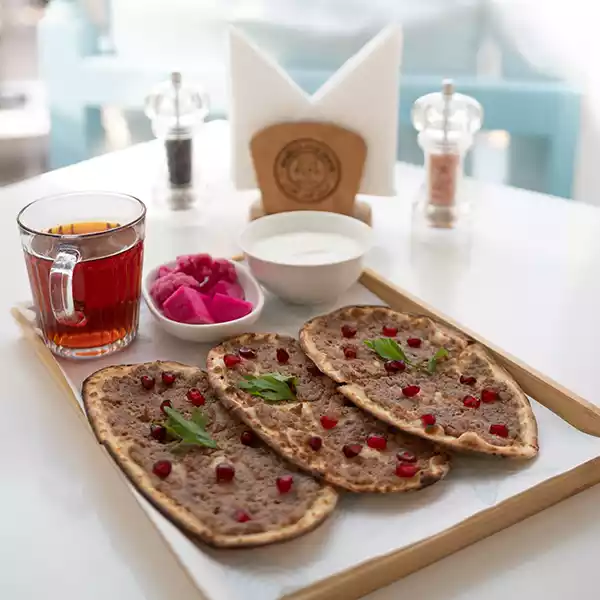
Fresh fruit often receives less attention than the other components of breakfast, yet it plays an important role in creating balance. Watermelon, in particular, has become a favorite addition to traditional breakfast spreads because of its refreshing sweetness and high water content. After enjoying richer flavors such as cheese, eggs, and olive oil, watermelon provides a clean and refreshing contrast that helps reset the palate. Its bright color also contributes visually to the presentation of the table, making the breakfast spread feel more vibrant and inviting. Sometimes the simplest ingredients are the ones that complete the experience.
Why Sulaimani Tea Is More Than Just a Beverage
No traditional breakfast experience feels complete without tea. Among the most beloved options is Sulaimani tea, known for its light body, aromatic character, and ability to complement a wide variety of breakfast foods. Unlike heavy drinks that dominate the meal, Sulaimani tea supports the flavors around it while providing warmth and comfort. Throughout the Gulf region and the Levant, tea has long been associated with hospitality, conversation, and relaxation. A breakfast table may contain many dishes, but it is often the teapot that encourages guests to stay a little longer, continue their conversations, and fully enjoy the experience.
Why Breakfast Trays Continue to Thrive in Modern Dining
In an era where convenience often dominates eating habits, breakfast trays remain remarkably popular because they offer something people increasingly value: connection. They encourage sharing rather than isolation. They transform a quick meal into an experience. Families gather around them. Friends linger over them. Conversations flow naturally because the meal itself invites interaction. This communal aspect explains why traditional breakfast platters have survived changing food trends for generations. They provide not only nourishment but also an opportunity to slow down and enjoy the company of others.
Experience a Traditional Breakfast Tray at Arabian Fish House
At Arabian Fish House, breakfast is approached with the same attention to quality and hospitality that defines every dining experience. Guests can enjoy a carefully curated breakfast tray featuring a choice of scrambled eggs, omelette, fried eggs, or foul, accompanied by za’atar with olive oil, labneh, falafel, olives, makdous, baladi cheese, feta cheese, watermelon, cream, honey, jam, fresh bread, and a traditional Sulaimani teapot. Together, these elements create a breakfast experience that celebrates both flavor and tradition while offering guests an authentic taste of Middle Eastern hospitality.
Visitors interested in discovering the complete selection of breakfast and seafood offerings can explore the full menu before planning their visit. Those looking for additional culinary inspiration can also read more seafood stories and guides to learn more about the traditions and flavors that shape the restaurant’s menu.
Bringing People Together, One Breakfast at a Time
The true beauty of an Arabic breakfast platter lies in its ability to bring people together. It is not designed to be rushed or eaten in isolation. It invites conversation, sharing, and connection. Every ingredient contributes to a larger experience that celebrates hospitality, generosity, and the simple pleasure of enjoying good food with others. Whether enjoyed with family, friends, or visiting guests, a traditional breakfast tray creates moments that feel warm, welcoming, and memorable.
Conclusion
A great breakfast should do more than satisfy hunger. It should set the tone for the day, create opportunities for connection, and offer flavors worth remembering. The traditional Arabic breakfast platter achieves all of these goals through a carefully balanced combination of eggs, foul, za’atar, labneh, olives, makdous, cheeses, fruit, honey, and tea. Each ingredient contributes something unique, yet together they create an experience that feels complete and harmonious.
For anyone seeking an authentic breakfast rooted in Middle Eastern tradition, the breakfast tray at Arabian Fish House offers a delicious introduction to one of the region’s most cherished culinary rituals. Guests ready to begin their morning with a memorable dining experience can book a table or contact us directly on WhatsApp to learn more about the breakfast menu and available dining options.




Leave a Reply