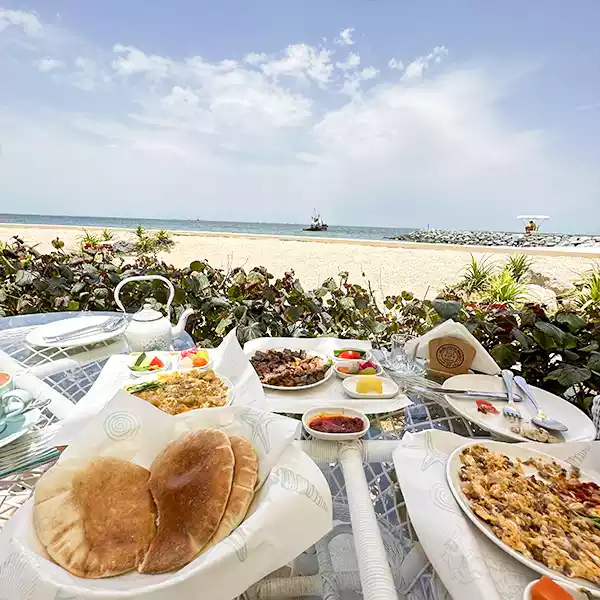



A Traditional Levant Breakfast Experience in Dubai
Breakfast in the Levant Is More Than Just a Meal
Across the Levant region, breakfast has never been viewed as a quick meal eaten in a hurry before starting the day. Instead, it has traditionally been treated as an opportunity to gather, connect, and enjoy food that reflects generations of culinary heritage. In countries such as Lebanon, Syria, Jordan, and Palestine, breakfast is often one of the most social meals of the day. Families gather around the table, dishes are placed in the center to be shared, and conversations flow as naturally as the tea being poured. This approach to dining has shaped what is now recognized around the world as the traditional Levant breakfast Dubai visitors increasingly seek when looking for authentic culinary experiences.
The Region That Inspired Some of the World’s Most Loved Breakfast Traditions
The Levant is one of the oldest culinary regions in the world, with recipes and ingredients that have been enjoyed for centuries. While every country within the region has its own unique specialties, many breakfast traditions are shared across borders. Za’atar, labneh, olives, cheeses, foul, falafel, and freshly baked bread are staples that appear on countless breakfast tables every morning. These ingredients have endured not because they are trendy, but because they create a balanced, satisfying, and deeply enjoyable meal. Their popularity continues to grow globally as more people discover the richness and simplicity of Levantine cuisine.

Why Sharing Is at the Heart of Every Levant Breakfast
One of the first things people notice about a traditional Levant breakfast is the absence of individual plates as the center of attention. The meal revolves around sharing. Small dishes are arranged across the table, encouraging everyone to participate in the experience together. Rather than focusing on a single main course, diners create their own combinations of flavors using bread, cheeses, herbs, vegetables, and spreads. This style of eating transforms breakfast into something more interactive and social. It slows the pace of the meal and creates opportunities for conversation, making breakfast feel less like a routine and more like an event.
The Flavor That Defines the Levant: Za’atar
Few ingredients are as closely associated with Levantine cuisine as za’atar. This aromatic blend of herbs and spices has become a symbol of the region’s culinary identity. Mixed with olive oil and enjoyed with warm bread, za’atar offers a flavor profile that is earthy, tangy, and deeply satisfying. For many people who grew up in the Levant, its aroma instantly evokes memories of family breakfasts and childhood mornings. While the ingredients may vary slightly from one region to another, the role of za’atar remains the same. It represents simplicity, tradition, and the ability of a few carefully chosen ingredients to create extraordinary flavor.

Why Labneh Continues to Be a Breakfast Favorite
Labneh has earned its place as one of the most beloved elements of Levantine breakfast because it complements almost everything on the table. Its creamy texture and refreshing taste create balance alongside stronger flavors such as olives, za’atar, and pickled vegetables. Labneh can be enjoyed on its own, spread onto bread, or paired with olive oil and herbs for additional richness. Its versatility explains why it remains a constant presence across generations of breakfast tables. More than just a dairy product, labneh has become one of the defining flavors of Levantine hospitality and home cooking.
Foul and Falafel: The Breakfast Staples That Never Go Out of Style
Food trends come and go, but foul and falafel have remained breakfast favorites for generations. Foul, made from slow-cooked fava beans, provides warmth, nourishment, and depth of flavor, making it a comforting way to begin the day. Falafel adds a contrasting texture with its crisp exterior and flavorful interior. Together, they create a combination that is both satisfying and balanced. Their enduring popularity demonstrates how traditional dishes can remain relevant even as dining habits evolve. For many people, breakfast simply does not feel complete without one or both of these iconic dishes.

Why Fresh Bread Is Essential to the Experience
A Levant breakfast would be incomplete without fresh bread. Bread serves as the foundation that connects every dish on the table. It is used to scoop labneh, wrap falafel, enjoy za’atar, and pair with cheeses and vegetables. Freshly baked bread contributes both texture and warmth, transforming simple ingredients into a cohesive meal. In many households throughout the Levant, breakfast preparations begin with obtaining fresh bread, highlighting just how important it remains within the dining tradition. Its role may seem simple, but it is essential to the overall experience.
Olives and Makdous: Small Ingredients With a Big Story
A traditional Levant breakfast is often celebrated for its signature dishes, but some of its most memorable flavors come from the smaller items placed around the table. Olives, for example, have been a cornerstone of Levantine cuisine for centuries. Their presence reflects the region’s deep connection to olive cultivation and olive oil production. Alongside them sits makdous, a beloved specialty made from baby eggplants stuffed with walnuts and preserved in olive oil. Rich, flavorful, and deeply rooted in Levantine food culture, makdous adds complexity and character to the breakfast table. Together, these ingredients demonstrate how traditional cuisine often relies on simple foods prepared with care and patience rather than complicated techniques.
Why Tea Is Just as Important as the Food
In many cultures, breakfast ends once the food is finished. In the Levant, breakfast often continues long after the plates begin to empty. Tea plays a central role in this tradition. Rather than serving only as a beverage, it becomes part of the social experience itself. Conversations continue while tea is poured and shared. Guests remain at the table longer. Family members enjoy an opportunity to connect before beginning the day. Sulaimani tea, known for its light and aromatic character, pairs beautifully with both savory and sweet breakfast items. Its role within Levantine breakfast culture highlights the importance of slowing down and appreciating the meal rather than rushing through it.
Why Levant Breakfast Has Become Popular Around the World
Over the last decade, Levantine cuisine has gained international recognition for its freshness, balance, and variety. Travelers who discover Levant breakfast during visits to the Middle East often return home searching for the same experience. Food enthusiasts appreciate the emphasis on fresh ingredients, olive oil, herbs, vegetables, and traditional preparation methods. Nutrition-conscious diners are drawn to meals that feel satisfying without being overly heavy. At the same time, the communal nature of the breakfast experience appeals to people looking for something more meaningful than a quick meal. As a result, Levant breakfast has evolved from a regional tradition into a global culinary trend that continues to attract new audiences.
A Breakfast That Balances Simplicity and Variety
One of the reasons Levant breakfast remains so appealing is its ability to feel both simple and abundant at the same time. None of the ingredients are overly complicated. Eggs, bread, labneh, olives, za’atar, cheese, and tea are foods most people immediately recognize. Yet when combined, they create remarkable variety. Every bite offers a different experience. Guests can move from creamy labneh to savory foul, from aromatic za’atar to sweet honey, without ever feeling repetitive. This balance keeps the meal interesting and satisfying while reflecting the broader philosophy of Levantine cooking: great food does not need to be complicated to be memorable.
A Traditional Levant Breakfast Experience at Arabian Fish House
At Arabian Fish House, guests can enjoy a breakfast experience inspired by the traditions that have shaped Levantine dining for generations. The breakfast selection brings together many of the region’s most cherished flavors, including a choice of scrambled eggs, omelette, fried eggs, or foul, accompanied by za’atar with olive oil, labneh, falafel, olives, makdous, baladi cheese, feta cheese, fresh watermelon, cream, honey, jam, bread, and a traditional Sulaimani teapot. Together, these ingredients create a breakfast spread that reflects the generosity, variety, and hospitality that define Levantine culture.
Guests interested in exploring additional breakfast and seafood options can explore the full menu before their visit. Every item has been selected to offer diners a taste of authentic Middle Eastern flavors while maintaining the welcoming atmosphere that makes traditional breakfast gatherings so memorable.
Why Breakfast Remains One of the Most Important Meals in Levant Culture
While dining trends continue to evolve, breakfast remains deeply respected throughout the Levant. It represents more than nutrition. It is a daily ritual that encourages connection, hospitality, and appreciation for good food. Families gather around shared dishes. Friends meet before work. Guests are welcomed with generous spreads that reflect both tradition and generosity. These customs have endured for generations because they satisfy more than physical hunger. They fulfill a social and cultural role that remains just as relevant today as it was decades ago.
For those interested in learning more about Middle Eastern food traditions and dining experiences, they can read more seafood stories and guides and discover how regional culinary heritage continues to influence modern dining.
Bringing Levantine Traditions to the Modern Table
The enduring appeal of Levant breakfast lies in its ability to preserve tradition while remaining relevant to modern lifestyles. It offers a meal that is flavorful, varied, social, and deeply rooted in cultural identity. In a world increasingly dominated by convenience, Levant breakfast reminds us of the value of slowing down and sharing a meal with others. It encourages people to appreciate quality ingredients, meaningful conversations, and the simple pleasure of beginning the day together.
Conclusion
A true Levant breakfast Dubai experience is about much more than food. It is about culture, hospitality, tradition, and connection. From za’atar and labneh to foul, falafel, olives, makdous, fresh bread, and tea, every element contributes to a breakfast ritual that has been enjoyed across generations.
For diners seeking an authentic introduction to Levantine cuisine, Arabian Fish House offers a breakfast experience that celebrates these traditions while providing the comfort and hospitality that have always defined Middle Eastern dining. Guests ready to start their day with a memorable breakfast can book a table or contact us directly on WhatsApp for more information about breakfast hours and menu offerings.